
Guide
How Non-Alcoholic Wine Is Made: Fermentation First, Alcohol Removed Gently
Learn how premium non-alcoholic wine is traditionally fermented, dealcoholized, balanced, finished, and served.
Published September 22, 2026 · 8 min read
The wine has to be wine first
A premium non-alcoholic wine does not begin as flavored grape water. It begins with grapes selected for a wine style, then moves through pressing, fermentation, and cellar decisions just as a conventional bottle would. Yeast transforms grape sugars into alcohol and creates hundreds of aromatic and textural compounds along the way. Without that stage, the drink may be refreshing, but it lacks the layered cues that make wine suitable for the table.
For Rayner Mansion, fermentation first is a philosophical choice as much as a technical one. The brand is built around preserving the social and sensory grammar of wine: aroma from a proper glass, tannin with dinner, label presence on a table, and a bottle that feels appropriate for hospitality.
Alcohol removal is a finishing step
Once the base wine has formed, alcohol is removed gently. Different producers may use technologies such as vacuum distillation or membrane filtration, each designed to lower alcohol while limiting heat damage and aroma loss. The important point for the drinker is that alcohol removal should not be treated as a shortcut. It is a finishing step that must respect the wine beneath it.
The challenge is that alcohol contributes body, aroma lift, and perceived warmth. Removing it can make a wine feel lighter. Skilled producers compensate through grape choice, cellar work, blending, acidity, tannin management, and careful finishing rather than synthetic flavors.
Balance after dealcoholization
After alcohol removal, the wine is evaluated again. Aromatics, texture, acidity, and finish all need attention. A red may need tannin to remain present without feeling drying. A white may need brightness without becoming sharp. This is why tasting notes and specifications matter: they show how the finished bottle behaves, not merely how the base wine began.
How it differs from grape juice and alternatives
Grape juice is sweet, unfermented, and direct. Synthetic wine alternatives can be creative, but they are assembled from flavors, acids, teas, botanicals, or other ingredients to suggest wine. Dealcoholized wine is different because fermentation creates the base. That is why it can offer dryness, tannin, and a culinary role that sweeter beverages cannot easily replace.
Read the full process
Rayner Mansion’s craft page explains the four-step path from fermentation to alcohol removal to finishing.
Learn how dealcoholized wine is madeFeatured internal links
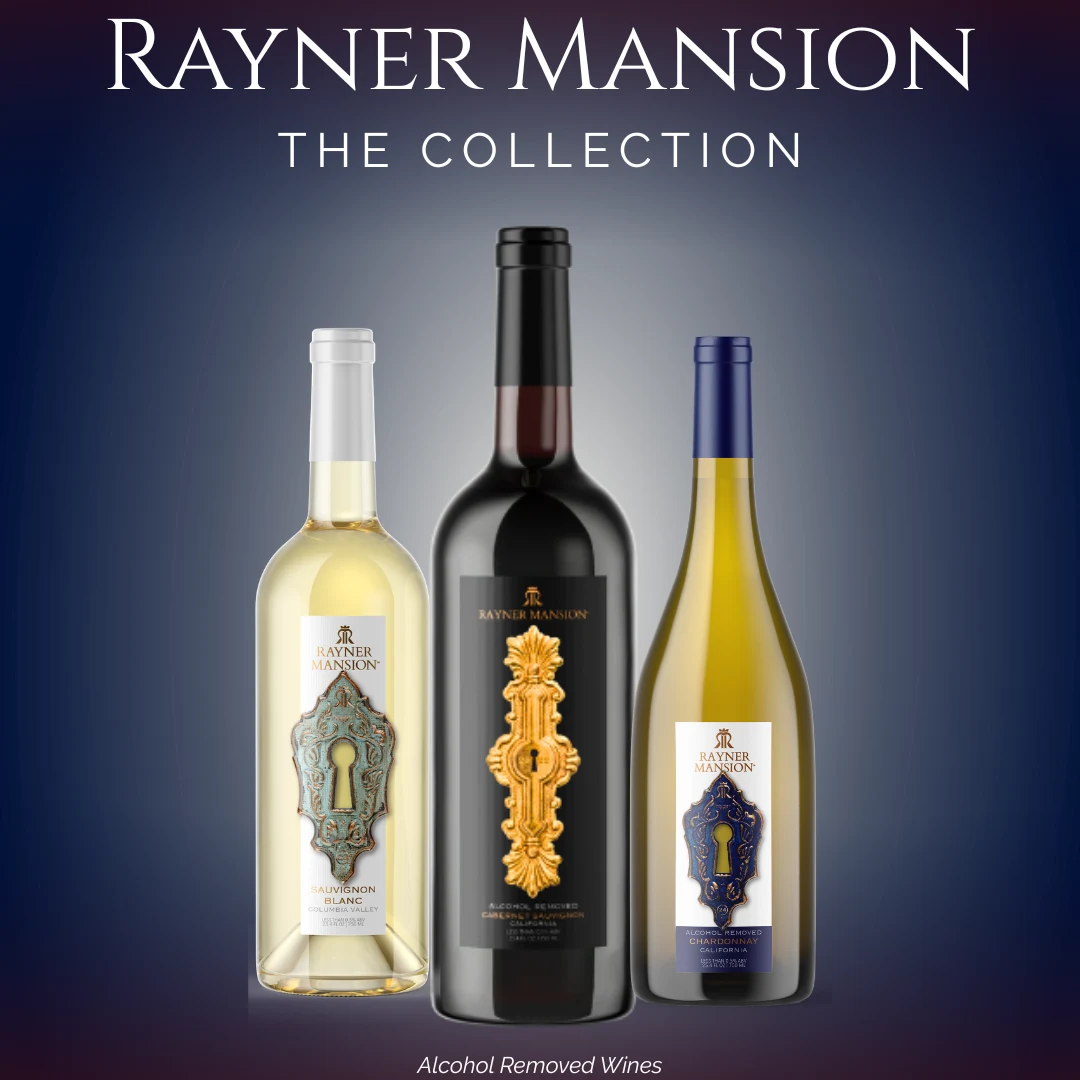
Shop the bottles behind this guide.
Shop non alcoholic Cabernet Sauvignon
A structured California red for savory dinners and formal tables.
Shop non alcoholic Chardonnay
A dry California white for roast chicken, shellfish, and composed lunches.
Shop non alcoholic Sauvignon Blanc
A bright Columbia Valley white for aperitif service, seafood, and celebrations.
Learn how dealcoholized wine and alcohol removed wine are made
Follow Rayner Mansion's fermentation-first process from wine to finished bottle.
Related guides
7 min read
Best Non-Alcoholic Wine: How to Choose a Bottle That Belongs at the Table
A practical guide to choosing premium non-alcoholic wine by style, dryness, structure, food pairing, and occasion.
6 min read
Does Non-Alcoholic Wine Have Alcohol? Understanding Less Than 0.5% ABV
A clear explanation of alcohol levels in dealcoholized wine, labeling language, serving expectations, and pregnancy guidance.